 While travel broadens the mind, some destinations carry significant risks that every adventurer should understand. This comprehensive guide examines 25 of the planet’s most perilous locations, analyzing crime rates, political instability, natural hazards, and health risks. We’ll provide essential safety tips for those determined to visit, along with safer alternatives offering similar experiences without the extreme danger.
A. Criteria for Danger Assessment
-
Violent Crime Statistics
-
Homicide rates per 100,000 residents
-
Tourist-targeted crimes prevalence
-
-
Political & Social Instability
-
Ongoing conflicts or terrorism risks
-
Government travel warnings
-
-
Environmental Threats
-
Extreme weather patterns
-
Active geological hazards
-
-
Health Concerns
-
Disease outbreaks
-
Medical infrastructure quality
-
-
Transportation Safety
-
Road accident fatalities
-
Aviation safety records
-
B. 10 Most Dangerous Countries to Visit
1. Afghanistan
-
Primary Risks: Terrorism, kidnapping, landmines
-
Danger Zones: Entire country, especially Kabul
-
Safer Alternative: Uzbekistan’s Silk Road cities
2. Syria
-
Primary Risks: Active war zones, chemical weapons
-
Danger Zones: All borders, Idlib province
-
Safer Alternative: Jordan’s ancient ruins
3. Venezuela
-
Primary Risks: Violent crime, political unrest
-
Danger Zones: Caracas, border regions
-
Safer Alternative: Colombia’s Caribbean coast
4. Yemen
-
Primary Risks: Civil war, cholera outbreaks
-
Danger Zones: All but Socotra Island
-
Safer Alternative: Oman’s desert landscapes
5. South Sudan
-
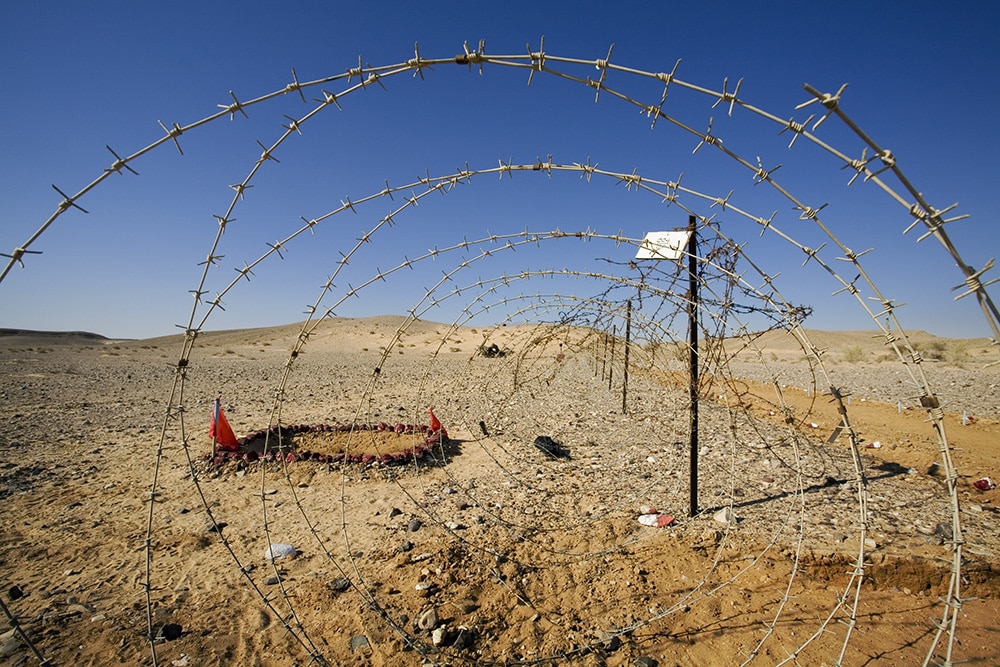
Primary Risks: Ethnic violence, landmines
-
Danger Zones: Rural areas beyond Juba
-
Safer Alternative: Rwanda’s cultural tours
6. Somalia
-
Primary Risks: Piracy, terrorism, kidnappings
-
Danger Zones: Entire mainland
-
Safer Alternative: Zanzibar’s beaches
7. Libya
-
Primary Risks: Militia violence, unexploded ordnance
-
Danger Zones: All but select Tripoli areas
-
Safer Alternative: Tunisia’s Roman sites
8. Central African Republic
-
Primary Risks: Armed groups, wildlife dangers
-
Danger Zones: Outside Bangui
-
Safer Alternative: Gabon’s rainforests
9. Iraq
-
Primary Risks: Terrorism, unexploded munitions
-
Danger Zones: Anbar, Nineveh provinces
-
Safer Alternative: Iranian cultural sites
10. North Korea
-
Primary Risks: Arbitrary detention, surveillance
-
Danger Zones: Entire country
-
Safer Alternative: Mongolia’s communist history tours
C. Extreme Natural Hazard Zones
-
Mount Washington, USA
-
World’s worst weather (record -100°F wind chill)
-
Safety Tip: Summer hikes only with guides
-
-
Danakil Depression, Ethiopia
-
Active volcanoes, toxic gases, 125°F heat
-
Safety Tip: Brief early morning visits
-
-
Lake Natron, Tanzania
-
Caustic alkaline waters, extreme temperatures
-
Safety Tip: View from helicopter tours
-
-
Sinabung Volcano, Indonesia
-
Constant eruptions since 2010
-
Safety Tip: 10km exclusion zone
-
-
Bikini Atoll, Marshall Islands
-
Nuclear contamination remains
-
Safety Tip: Radiation checks required
-
D. Urban Danger Hotspots
| City | Country | Primary Risk | Safety Alternative |
|---|---|---|---|
| Acapulco | Mexico | Cartel violence | Puerto Vallarta |
| Caracas | Venezuela | Armed robbery | Bogotá |
| Cape Town | South Africa | Township violence | Windhoek |
| San Pedro Sula | Honduras | Gang wars | Antigua Guatemala |
| Karachi | Pakistan | Terrorism | Lahore |
E. Essential Safety Precautions
-
Pre-Travel Preparation
-
Register with embassy
-
Purchase specialized insurance
-
Learn emergency phrases
-
-
On-Site Safety Measures
-
Vary daily routines
-
Use certified guides
-
Avoid night movement
-
-
Health Protections
-
Specialized vaccinations
-
Portable water filters
-
Trauma first aid training
-
-
Communication Plans
-
Satellite messengers
-
Dead drops for itineraries
-
Emergency contacts memorized
-
F. Ethical Considerations
-
Danger Tourism Controversy
-
Exploitation of unstable regions
-
Supporting questionable regimes
-
-
Local Impact Assessment
-
Does tourism help or harm?
-
Resource diversion concerns
-
-
Alternatives to Risk
-
Virtual reality experiences
-
Supporting refugee communities
-
Documentary tourism
-
Conclusion
While these dangerous destinations offer unique experiences, travelers must carefully weigh risks against rewards. Many perilous locations have nearby alternatives providing similar cultural or natural wonders with dramatically lower threats. For those determined to visit hazardous areas, thorough preparation and professional guidance are non-negotiable for safe returns.