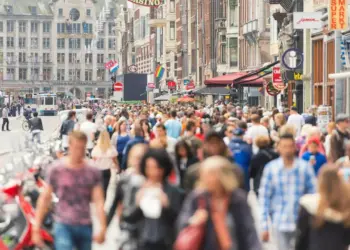
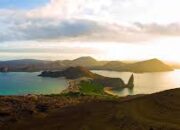
 Time is running out for travelers to experience one of the world’s most breathtaking destinations. The government of [Country Name] has announced imminent tourist restrictions to protect its fragile ecosystems and cultural heritage. This exclusive guide reveals everything you need to know before the doors close to mass tourism, including secret alternatives that will remain accessible.
A. Why This Destination Is Closing
-
Environmental Protection Measures
-
Coral reef degradation from snorkeling/diving
-
Deforestation from unsustainable tourism development
-
Wildlife disturbance exceeding carrying capacity
-
-
Cultural Preservation Efforts
-
Overtourism damaging sacred sites
-
Local traditions becoming commercialized
-
Resident backlash against tourist behavior
-
-
Political Factors
-
New leadership prioritizing sustainability
-
Visa policy changes to limit arrivals
-
COVID-era lessons about overtourism
-
B. The Closure Timeline Explained
-
Phase 1: Restrictions Begin (2024)
-
Daily visitor caps at major attractions
-
Increased tourism taxes implemented
-
Mandatory guided tours required
-
-
Phase 2: Limited Access (2025)
-
Lottery system for popular sites
-
Ban on cruise ship arrivals
-
70% reduction in hotel licenses
-
-
Phase 3: Full Protection (2026)
-
Complete moratorium on new resorts
-
Only research/scientific tourism allowed
-
$500+ daily conservation fee
-
C. Last-Chance Experiences to Book Now
-
Vanishing Natural Wonders
-
The [Famous Beach] that’s eroding 3 meters yearly
-
[Unique Wildlife] sightings before habitat closure
-
Final chances to dive [Protected Reef System]
-
-
Endangered Cultural Practices
-
Authentic [Traditional Ceremony] performances
-
Last apprenticeships with [Master Artisan]
-
Final year of [Ancient Festival] open to outsiders
-
-
Soon-to-Be-Restricted Adventures
-
[Mountain Trek] closing due to sacred site status
-
[Famous Market] moving to online-only
-
[Iconic Landmark] interior access ending
-
D. How to Visit Responsibly Before It’s Too Late
-
Ethical Travel Practices
-
Stay at locally-owned eco-lodges
-
Hire community guides directly
-
Follow strict leave-no-trace principles
-
-
Alternative Itinerary Options
-
Lesser-known regions that will remain open
-
Shoulder season strategies to avoid crowds
-
Volunteering opportunities with conservation groups
-
-
Documentation Tips
-
How to obtain special permits
-
Required vaccinations/tests
-
Cultural sensitivity training resources
-
E. What Will Remain Accessible
-
Virtual Tourism Options
-
New 360° digital experiences
-
Live-streamed cultural events
-
AR recreations of closed sites
-
-
Post-Closure Exceptions
-
Academic/research visits
-
High-value conservation tourism ($5k+/trip)
-
Diaspora heritage trips
-
-
Similar Alternatives
-
Nearby countries with comparable landscapes
-
Emerging destinations practicing sustainable tourism
-
Domestic versions of the experience
-

Conclusion
The impending closure of [Country Name] to mass tourism represents a pivotal moment for responsible travel. While saying goodbye to unfettered access is bittersweet, these necessary protections will preserve the destination for future generations. Savvy travelers should prioritize visiting ethically in the closing window of opportunity, while respecting the reasons behind this historic decision.